Skip to content
Tibetan RingTibetan rings are not just beautiful pieces of jewelry; they are imbued with rich spiritual and cultural meanings. These rings serve as more than decorative items—they are a profound part of Tibetan spirituality and everyday life. In this blog post, we will explore the unique aspects of Tibetan rings, from their creation to their significance and maintenance.
Tibetan Rings Meaning
Tibetan rings are traditionally crafted jewelry that is often used in Tibetan Buddhism to symbolize and remind wearers of their spiritual commitments and practices. These rings frequently feature traditional Tibetan symbols and motifs, which are believed to offer protection, promote healing, and encourage spiritual growth.
How Are Tibetan Rings Made?
Tibetan rings are not only symbols of beauty but also carry deep spiritual and cultural significance.
Each ring is crafted with meticulous care, blending traditional techniques with spiritual practices.
Below, we delve into the materials and craftsmanship that define the making of Tibetan rings.
Materials Used in Tibetan Rings
The creation of Tibetan rings involves a variety of materials, each chosen for both its aesthetic qualities and its spiritual significance. Here’s a breakdown of the most commonly used materials:
Metals:
The primary metals used include:
- Silver: Known for its bright, reflective properties and its association with the moon and feminine energy.
- Copper: Valued for its healing properties; it is believed to improve circulation and alleviate pain.
- Gold: Often used for its purity and spiritual power, symbolizing the ultimate quest for enlightenment.
- Titanium Steel: Known for its strength and corrosion resistance, it’s a modern addition, offering a contemporary edge to traditional designs.
Semi-Precious Stones:
These add color and spiritual energy to the rings. Common choices include:
- Turquoise: Believed to offer protection, healing, and calm.
- Citrine: Known as the “success stone”, citrine promotes prosperity and abundance.
- Jade: Revered for its purity and protective qualities.
Craftsmanship of Tibetan Rings
The craftsmanship involved in making Tibetan rings is a complex process that combines artistic skill with spiritual practices:
Traditional Techniques:
- Artisans use age-old methods such as hand-carving, metal forging, and stone setting. Each ring is often crafted individually, making each piece unique.
Spiritual Rituals:
- As the rings are made, artisans may chant mantras or conduct small rituals to bless the jewelry. This process is thought to imbue the rings with positive energy and specific spiritual properties.
Symbolic Designs:
- The designs often found on Tibetan rings are deeply symbolic:
- Lotus: Represents purity and enlightenment, rising untainted from muddy waters.
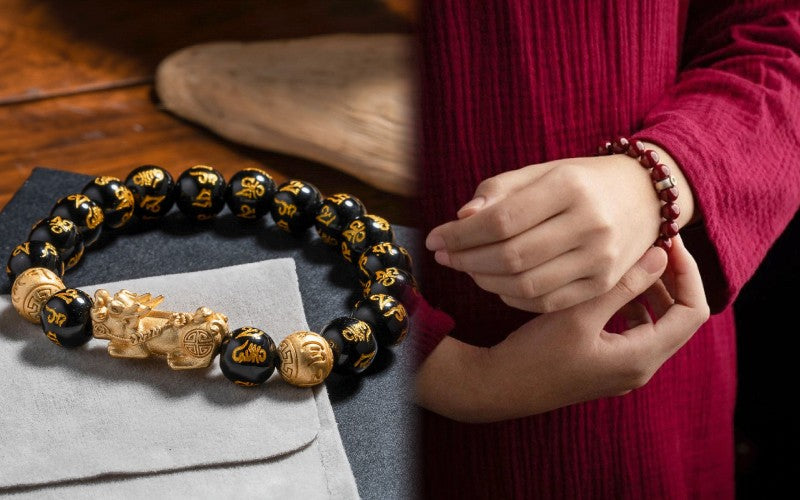
- Six True Words (Om Mani Padme Hum): This powerful mantra invokes the benevolent attention of Chenrezig, the embodiment of compassion.
- FengShui PiXiu: Considered a creature of wealth, it is often used to attract riches and good luck.
- Koi Fish: Symbolizes perseverance and strength, a popular motif in Tibetan and broader Asian cultures.
- Elephant: Symbolizing strength, wisdom, and loyalty, the elephant is a revered symbol in many cultures, including Tibetan. In Tibetan art, the elephant often represents mental strength, steadfastness, and the removal of obstacles.