Skip to content
Dragon and Jade : Cultural Richness with Modern Style
This passage will be explored at:
- Introduction to Dragon and Jade Jewelry
- Historical Significance of Dragons and Jade
- Symbolism in Dragon and Jade Designs
- Contemporary Interpretations of Ancient Motifs
- Fashion Trends: Dragon and Jade in Today’s Style
- Conclusion: The Timeless Appeal of Dragon and Jade
Text Leading
“Dragon and Jade: Cultural Richness with Modern Style” delves into the fascinating interplay between traditional symbols and contemporary fashion. This blog explores how the majestic dragon and the serene jade, both steeped in centuries of cultural significance, have been seamlessly integrated into modern style, offering a unique blend of heritage and trendiness. Discover how these ancient symbols continue to inspire and influence today’s fashion landscape, bridging the gap between the past and the present with elegance and innovation.
Introduction to Dragon and Jade Jewelry
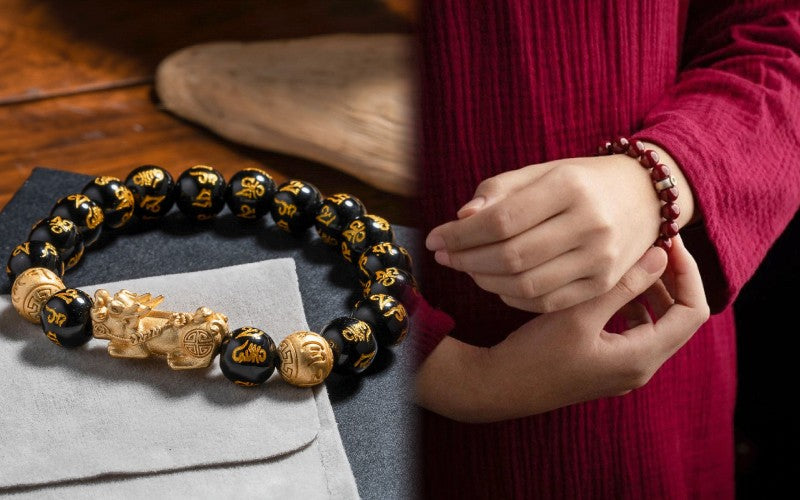
The entwining of dragon motifs with the serene beauty of jade creates a jewelry style that is as enchanting as it is symbolic.
This combination is not just a marriage of elements; it’s a dialogue between strength and serenity, power and peace.
In modern jewelry design,
dragon and
jade pieces are more than just decorative items; they are a statement of sophistication, bearing the weight of centuries of cultural significance.
Through this exploration, we delve into the rich symbolism of
, a style that resonates with both history and fashion-forward thinking.
Historical Significance of Dragons and Jade
The allure of dragons and jade extends far beyond their aesthetic appeal, anchoring themselves in a profound historical and cultural significance that has been revered for centuries.
Historical Significance of Dragons
have long captivated the human imagination, symbolizing power, strength, and good fortune. In many Eastern cultures, the dragon is revered as a benevolent guardian, a bringer of luck and prosperity. The incorporation of the dragon motif in jewelry dates back centuries, signifying not only status and power but also serving as a protective amulet for the wearer.
Historical Significance of Jade
, a stone as rich in history as it is in hue, has been cherished for millennia, particularly in Asian cultures. Revered for its beauty and symbolic power, jade embodies qualities of purity, harmony, and balance. Historically, jade was considered a royal gem, worn by emperors and nobles, and believed to possess protective and healing properties.
Symbolism in Dragon and Jade Designs
In the realm of symbolism,
the dragon and jade motif in jewelry is not merely ornamental but profoundly meaningful. The dragon, a legendary creature known for its wisdom and power, often symbolizes authority and good fortune in various cultures. Jade, with its tranquil and healing properties, symbolizes purity and protection.
When these two powerful symbols are combined in jewelry, they create a potent emblem of harmony, balance, and prosperity. Each piece of is not just a testament to aesthetic beauty but also a carrier of deep, symbolic messages from ancient traditions.
Contemporary Interpretations of Ancient Motifs
Modern designers have embraced the challenge of reinterpreting the traditional
dragon and
jade
motifs for contemporary wearers. While respecting the rich legacy of these symbols, they infuse innovative designs and techniques to appeal to modern tastes.
These contemporary pieces range from bold, statement-making creations to subtle, elegant accessories, proving that the ancient motifs of dragon and jade can adapt and thrive in any fashion era. This blend of old and new is at the heart of the design ethos at
Buddha Stones, where tradition is not just preserved; it’s evolved.
Fashion Trends: Dragon and Jade in Today’s Style
Each of
dragon and
jade
jewelry pieces brings its unique significance to the wearer, combining cultural richness with modern style, and transforming them into more than just fashionable accessories – they are personal talismans resonating with individual stories and aspirations.